Restoration Guide
How Long Does Water Damage Restoration Take in Sahuarita?
By Water Damage Restoration Sahuarita · 2026-10-22 · Sahuarita, AZ
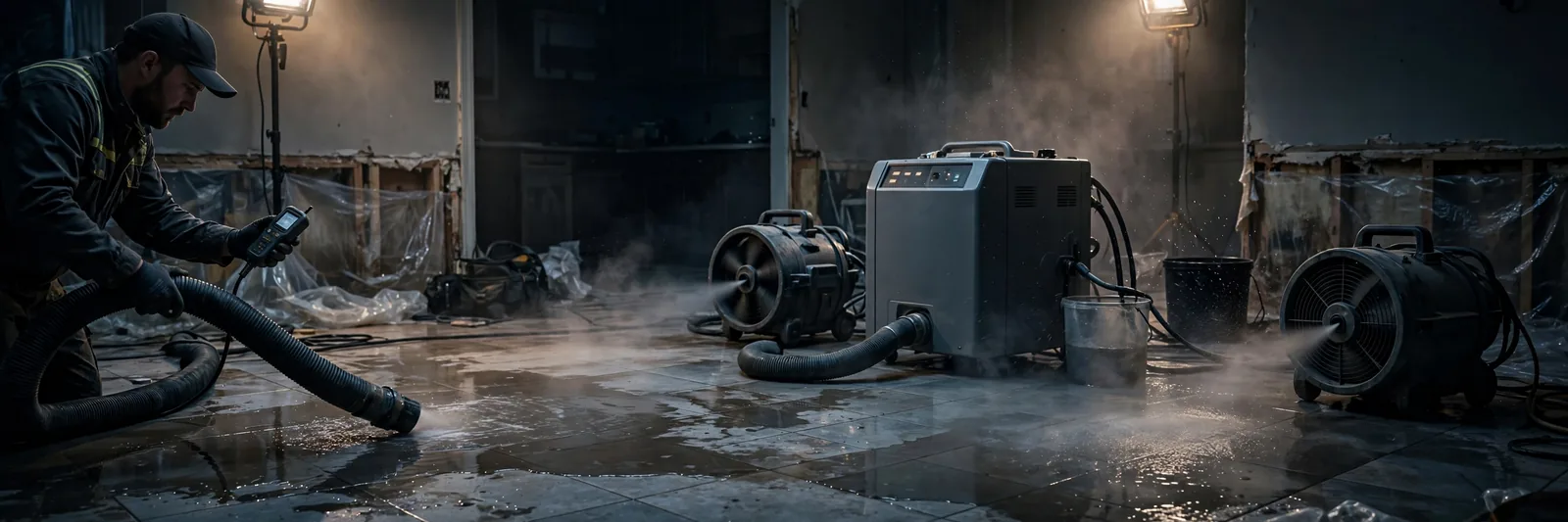
The short answer: drying takes days; rebuilding takes weeks. A contained clean-water loss on tile can be extracted, dried, and verified in about 3–5 days with no rebuild needed. A Category 2 or 3 loss requiring demolition and reconstruction typically runs 2–6 weeks from first call to final walkthrough, sometimes longer when insurance approvals or specialty materials are involved. Updated for 2026.
The phase table below gives you the realistic bands we work to in Sahuarita, AZ. Everything after it explains what pushes a job toward the short or long end, because "how long" is really three questions: how long to dry, how long to rebuild, and what's in your way. For the service behind these timelines, see water damage restoration in Sahuarita.
The Timeline at a Glance
Every water damage job moves through the same phases in the same order, you can't rebuild before it's dry, and you can't dry before the standing water is extracted. Here are the realistic duration bands for each phase, based on how these jobs actually run in Southern Arizona:
| Phase | What happens | Typical duration |
|---|---|---|
| Emergency response and extraction | Shut off source, extract standing water, stabilize | Hours, same day |
| Drying and dehumidification | Air movers plus LGR dehumidifiers, daily moisture readings | 3 to 7 days |
| Demolition and cleaning | Remove unsalvageable materials, sanitize to category | 1 to 3 days, when needed |
| Rebuild and finishes | Drywall, insulation, flooring, paint, trim | 1 to 4-plus weeks, when needed |
The Drying Phase: Days, Not Weeks
Drying is the most predictable phase because it's physics, not construction. Once standing water is extracted, air movers create high-velocity airflow across wet surfaces while LGR dehumidifiers pull the evaporated moisture out of the air. In Sahuarita's dry desert air, evaporation is efficient, the machines work around the clock, and technicians take moisture readings daily to track each material toward its dry standard.
Three to five days covers most residential drying when response starts promptly. It stretches toward seven or beyond when water sat before discovery (common with slow leaks and vacant homes), when dense materials like layered drywall are involved, or when the category requires demolition first. Drying ends not on a calendar date but when meters read at the dry standard across consecutive days.
The Repair and Rebuild Phase: Weeks
If demolition was required, the rebuild is where most calendar time goes, and it's the phase homeowners underestimate. Replacing drywall means hanging, taping, mudding with cure time between coats, texturing to match, priming, and painting. Flooring means acclimation and installation. Each trade needs its slot, materials need lead time, and paint must cure between steps.
One to two weeks covers a single-room drywall and paint rebuild. Multi-room losses with flooring run three to four weeks. Kitchens and bathrooms, cabinets, countertops, fixtures, tile, run longest. This is also where mold remediation gets folded in if the loss sat long enough to grow mold; remediation precedes rebuild, never the reverse.
What Stretches the Timeline
Five factors push jobs toward the long end of every band, and most are knowable on day one with proper moisture mapping. Category 2 and 3 losses add demolition before drying begins. Hidden moisture means the mapped scope grows after tear-out starts. Insurance approvals pause work while adjusters inspect, administrative time nobody on site can accelerate. Material lead times bite on flooring and cabinets. And scope growth is the quiet killer: the longer water sat undiscovered, the bigger the true scope.
The factor you control is response speed. Every day of delay before extraction is a day added to drying plus potential category degradation, which adds demolition, which adds rebuild. The timeline math rewards the fast caller twice.
- Category 2/3 water, demolition and disinfection add days before drying starts
- Hidden moisture, water inside walls or under flooring found late restarts the clock
- Insurance approvals, adjuster inspections and supplements pause the work
- Material lead times, flooring, cabinets, and specialty finishes aren't always in stock
- Scope growth, slow leaks discovered late are bigger than they first appear
Desert Specifics: How Arizona Homes Dry
Sahuarita's housing stock dries differently than national averages suggest, mostly in your favor. Slab-on-grade construction means no flooded basements, water spreads horizontally and the slab dries readily. Tile and concrete floors, common here, are dried and saved rather than torn out, skipping an entire demolition cycle. The desert's low humidity is a genuine drying ally.
The counterweights are heat and construction style. Extreme heat accelerates the 24–48 hour mold window, so a drying delay that would be merely slow elsewhere becomes a mold problem here. Stucco exteriors can trap moisture behind cladding if monsoon rain entered through flashing failures. And swamp (evaporative) coolers, still common in older Sahuarita homes, add indoor humidity that fights the dehumidifiers until shut off during drying. A local crew accounts for all of this; a generic national estimate may not.
Living Through It: Habitability and ALE
Whether you stay or go depends on category and scope. A contained Category 1 drying job in one area? Most families stay, living around the equipment noise for a few days. Category 2 or 3 work, whole-house drying, or active demolition? Plan to be elsewhere, contaminants, noise, and missing bathrooms make staying impractical.
When the loss is covered and the home is uninhabitable, your policy's ALE (Additional Living Expenses) coverage reimburses the extra cost of living elsewhere, hotel, plus restaurant spending above your normal grocery bill, up to your policy limit. It's reimbursement against receipts, so keep every one, and get the uninhabitability call in writing from your contractor. If the timeline matters to your family logistics, ask for the phase breakdown in writing at the start, drying dates, rebuild milestones, and what's waiting on whom.
Frequently Asked Questions
Can I stay in my home during water damage restoration?
What delays the drying phase most often?
Does homeowners insurance pay for a hotel during restoration?
How do I know the drying is actually finished?
Why does the rebuild take so much longer than the drying?
Fire or smoke damage in Sahuarita?
Talk to a local restoration crew today, 24/7 emergency line.
24/7 emergency line, we answer around the clock.