Fire Damage Removal
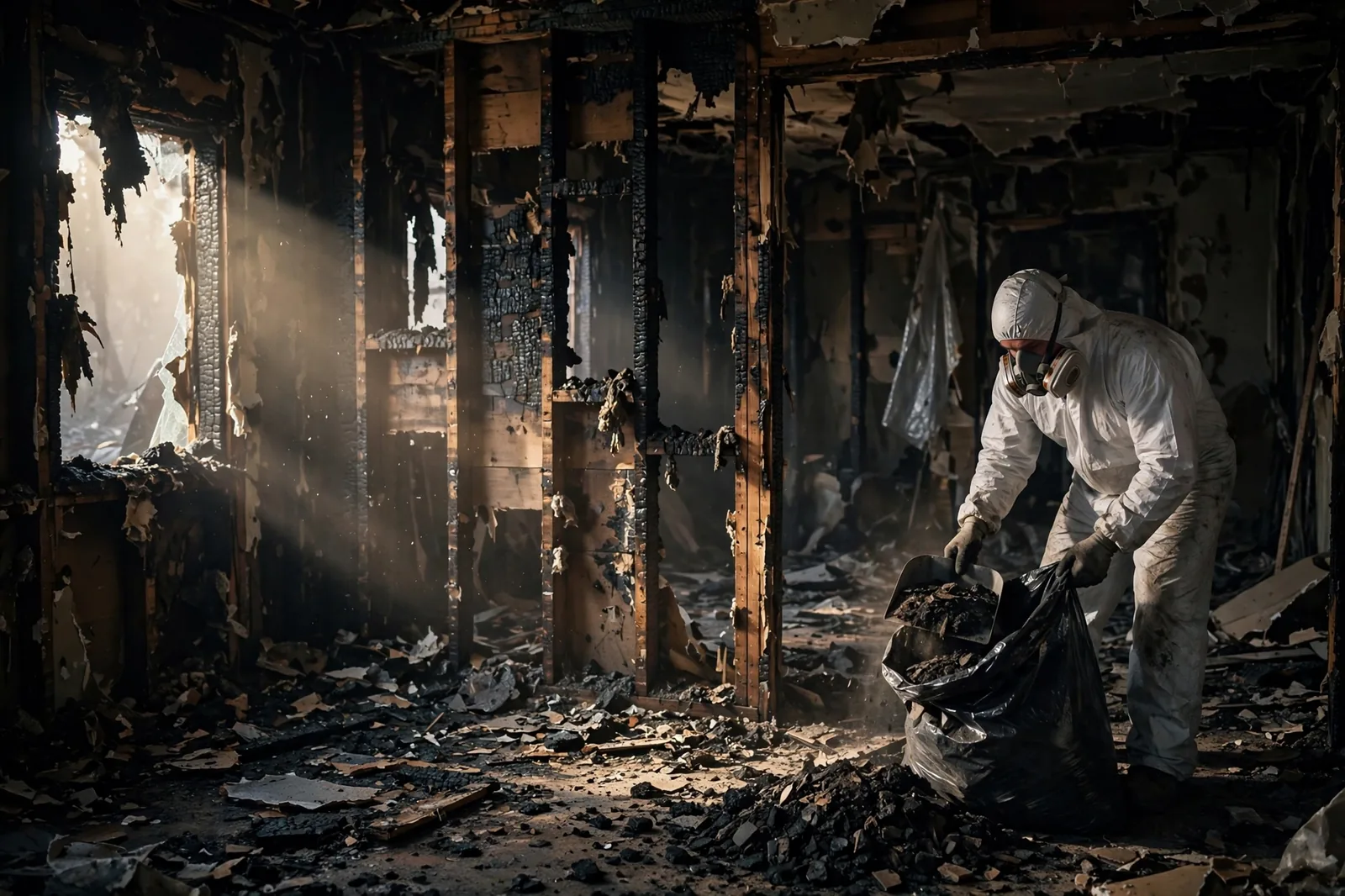
Complete fire restoration: debris removal, structural cleaning, repairs, and rebuild coordination.
Explore Fire Damage RemovalA house can look clean and still smell like a fire. That's because odor isn't on the surface, it's inside the materials. Smoke drives odor molecules into drywall, insulation, unfinished wood, fabrics, and HVAC ductwork, where they keep releasing for months or years. Plug-in fresheners, scented candles, and retail foggers mask it for a while and then it returns, because masking was never going to reach where the odor lives.
Our smoke odor removal starts with finding the source: we trace where smoke traveled, identify which materials are holding odor, remove what can't be saved, and clean what can. Only then do we apply professional deodorization, thermal fogging, ozone, or hydroxyl treatment, selected for the odor type and your situation. It's slower than a can of spray. It's also the only approach that ends the smell instead of postponing it. This work usually follows our professional smoke and soot cleanup and is often part of a full fire damage restoration, documented for your insurance claim.
Smoke odor is a materials problem, not an air problem. When smoke moves through a home it deposits odor molecules into everything porous it touches, and those materials keep off-gassing long after the visible soot is gone. Drywall and the paint on it hold the largest share in most rooms. Insulation is worse, it's designed to trap air, and once saturated it almost never releases odor fully, which is why removal is usually the honest answer there. Fabrics, carpet, and upholstery absorb and slowly re-release. Unfinished framing and attic wood soak odor in like a sponge. And if the HVAC was running, the ductwork and air handler became an odor distribution system that recontaminates cleaned rooms every cycle. Until each source is addressed, the smell never leaves.
Permanent odor removal is a sequence, and the order matters. First, source removal: saturated insulation, ruined fabrics, and other odor-holding materials come out, because no deodorizer can pull odor from material that's still holding the source. Second, cleaning: every affected surface is cleaned using the soot methods appropriate to the residue, since deodorization applied over dirty surfaces fails. Third, deodorization: we apply the method matched to the situation. Fourth, sealing: cleaned framing and sub-surfaces get an encapsulating sealer that locks in any trace residue as a final barrier. Skip a step and the odor comes back.
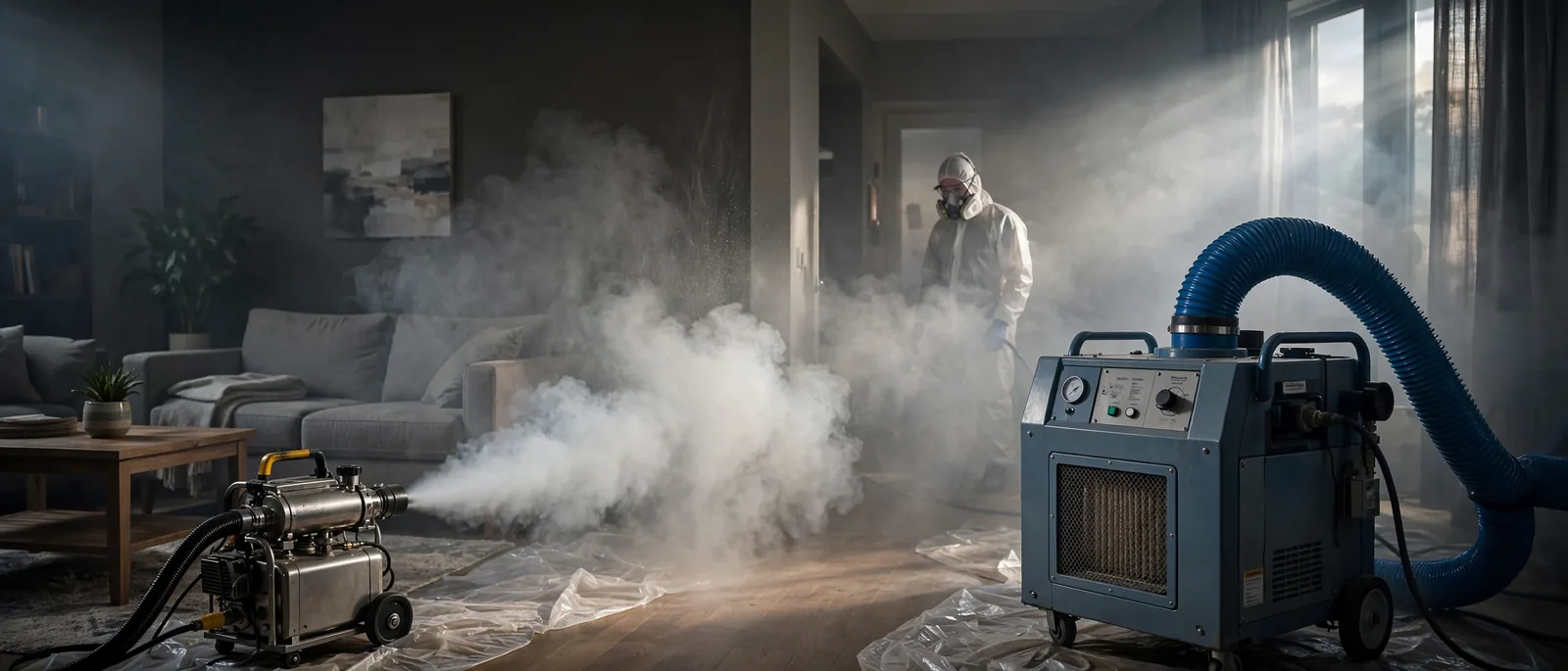
These three tools solve different problems, and the choice is part of the job, not a preference. Thermal fogging creates a deodorizing fog that penetrates porous materials along the same paths the smoke took; it's excellent for heavy, widespread odor in an empty structure. Ozone generators are powerful oxidizers that break down odor molecules at a chemical level, but the space must be unoccupied during treatment and properly aired afterward, no people, no pets, no plants. Hydroxyl generators work through a different chemistry that's safe around people, making them right for ongoing, lower-level odor or when you can't vacate the home. We select and combine them based on the odor type, severity, and your living situation, and we explain every choice.
If your air handler was running during or after the fire, odor is almost certainly inside the system. Ductwork, the air handler cabinet, coils, and filters all trap odor residue, and every cooling cycle pushes it back through cleaned rooms. This is the most common reason odor 'comes back' after cleanup, the system kept reintroducing it. We inspect the HVAC as part of every odor assessment. When it's contaminated, duct and component cleaning go into the written scope alongside the room work, and we don't declare the job done until the system tests clean too.
How we handle smoke odor removal in Sahuarita, AZ, documented at every step.
Trace the odor to its source
We trace where smoke traveled, rooms, wall cavities, attic, HVAC, and identify which materials are holding odor. You get an honest list: what can be treated, what must be removed, and a written scope before any deodorization starts.
Remove what can't be saved, clean the rest
Saturated insulation, ruined fabrics, and other odor-holding materials that can't be saved come out. Then every affected surface is cleaned with the soot methods appropriate to its residue, deodorization applied over dirty surfaces fails.
Deodorize with the right method
We apply thermal fogging, ozone, or hydroxyl treatment, matched to the odor type, severity, and whether the home can be vacated, and clean the HVAC system when it's part of the problem.
Seal, verify, and stand behind it
Cleaned framing gets an encapsulating sealer as a final barrier, and we verify the result room by room with you at the walkthrough. If you can still smell smoke where we treated, we re-treat it.
One local crew for the full chain, from emergency board-up on night one to the final walkthrough.
Complete fire restoration: debris removal, structural cleaning, repairs, and rebuild coordination.
Explore Fire Damage Removal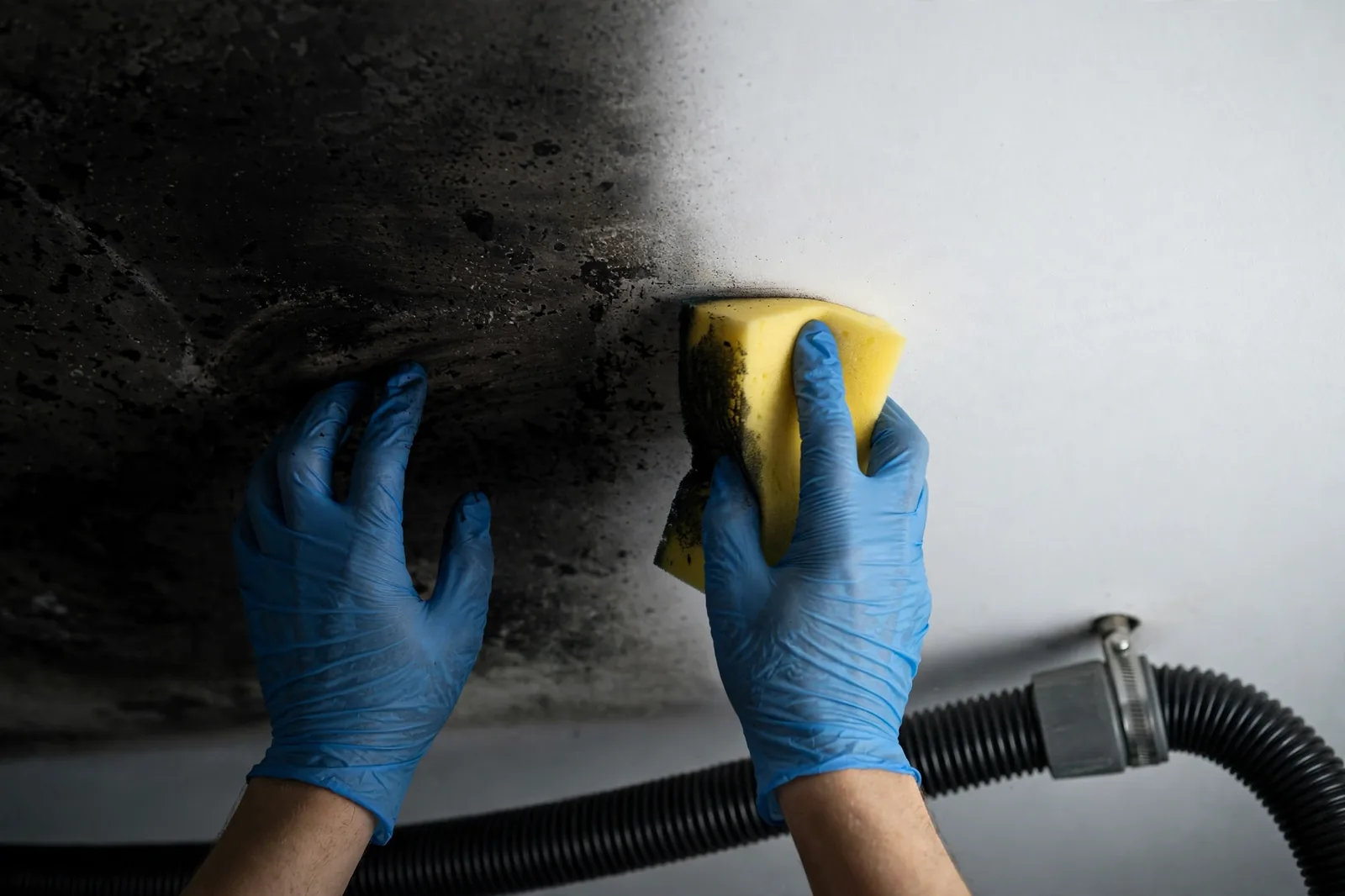
Corrosive soot removal from walls, ceilings, contents, and HVAC-affected areas.
Explore Smoke & Soot Cleanup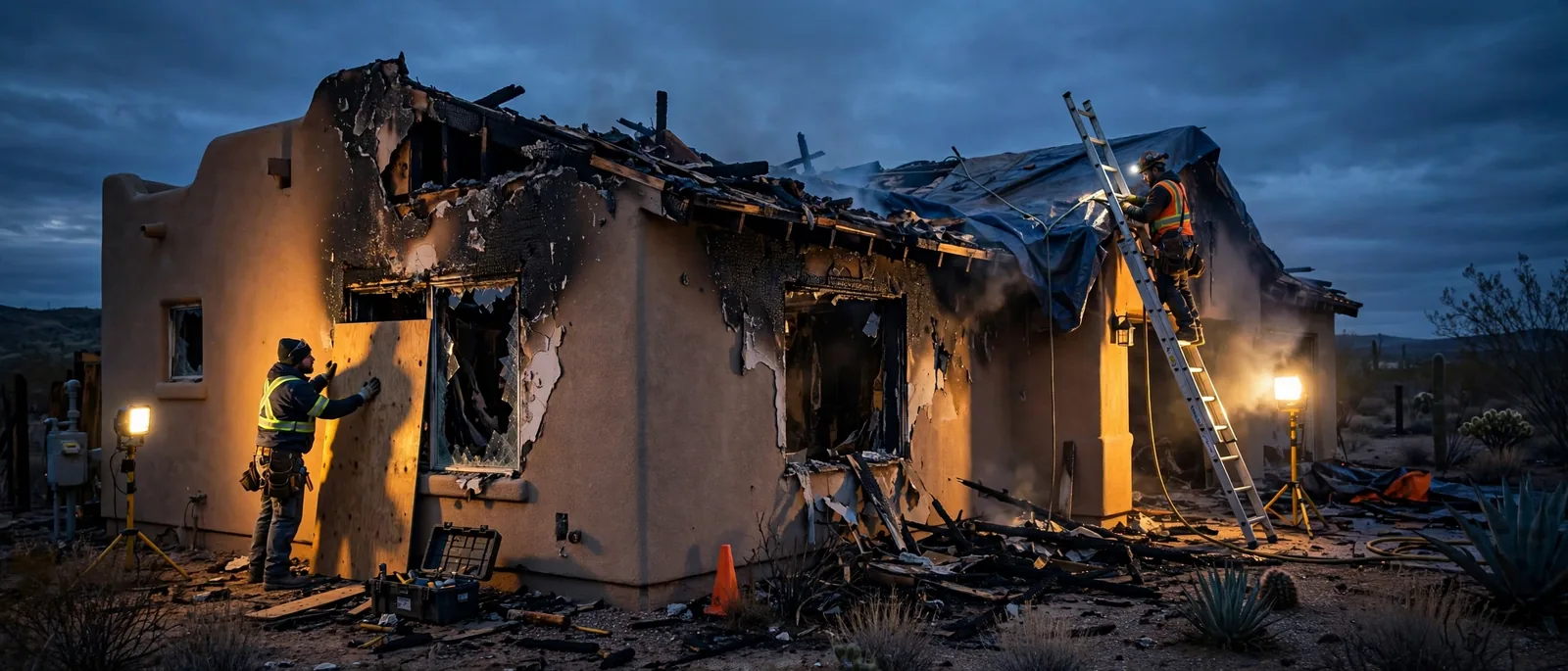
Fast securing of windows, doors, and damaged roofs after fire or storm.
Explore Emergency Board-Up & Tarping
How board-up pricing works in Sahuarita, AZ: what drives the cost and what's included.
Explore Emergency Board-Up Cost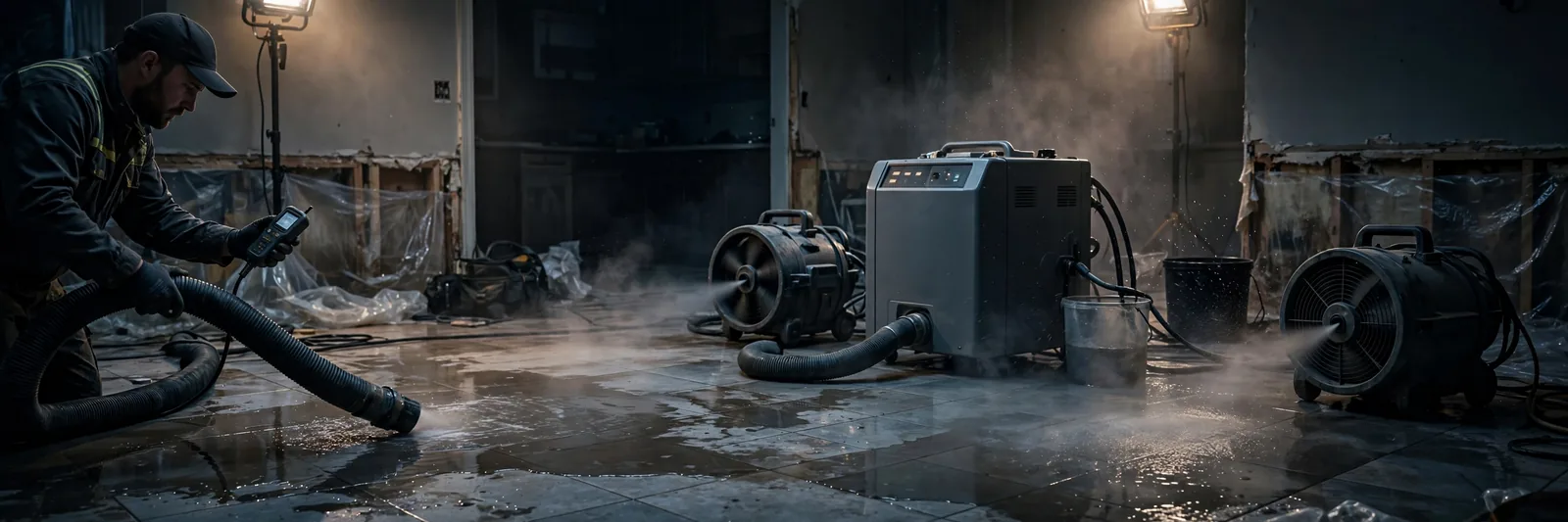
Extraction, structural drying, and moisture control after firefighting or monsoon water.
Explore Water Damage Restoration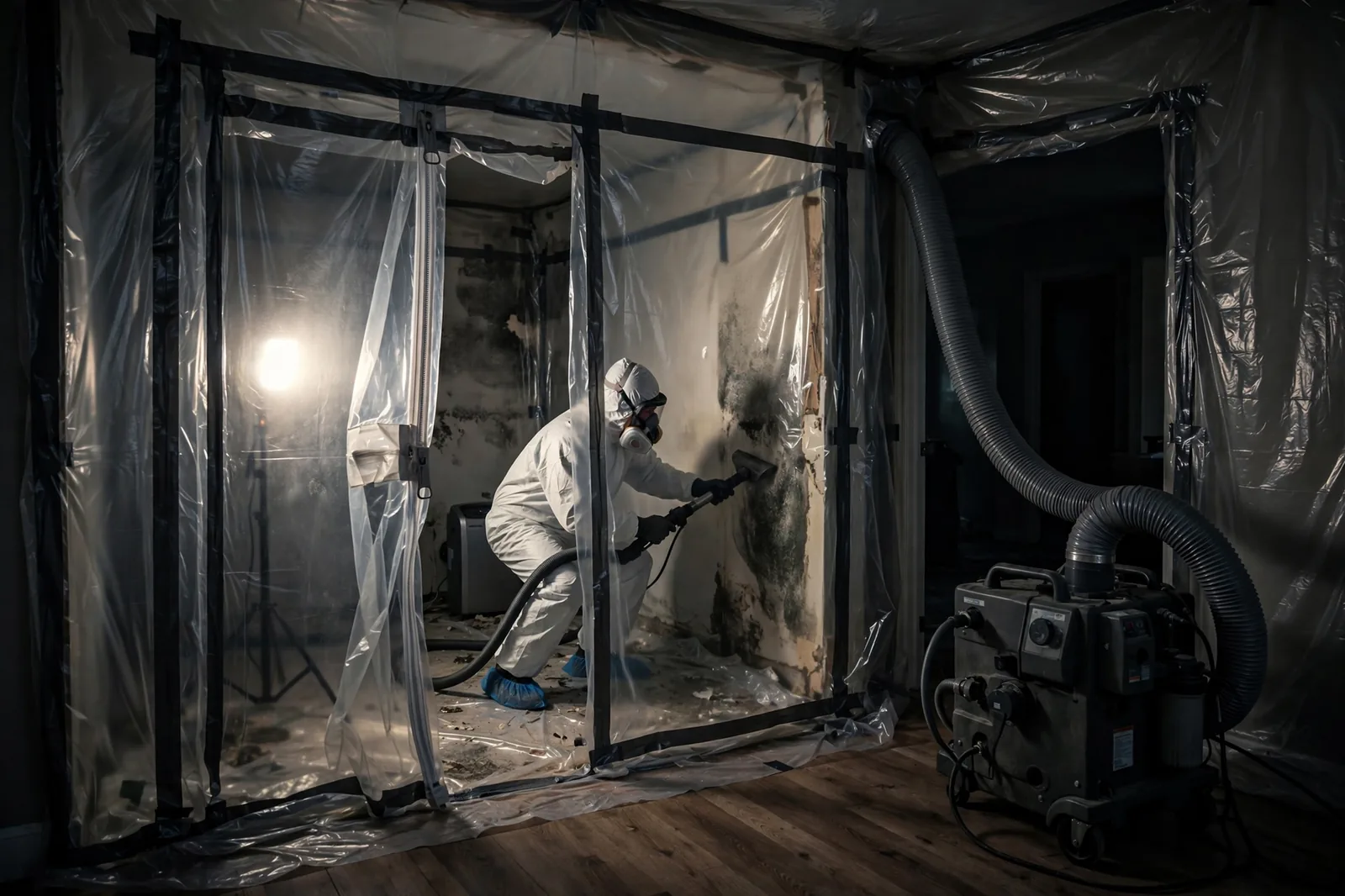
Containment and proper removal of mold after moisture intrusion in Arizona heat.
Explore Mold RemediationMasking sprays don't work. Call +1 844-969-2789, our 24/7 line, and we'll trace the odor to its source and remove it for real.
24/7 emergency line, we answer around the clock.