Fire Damage Removal
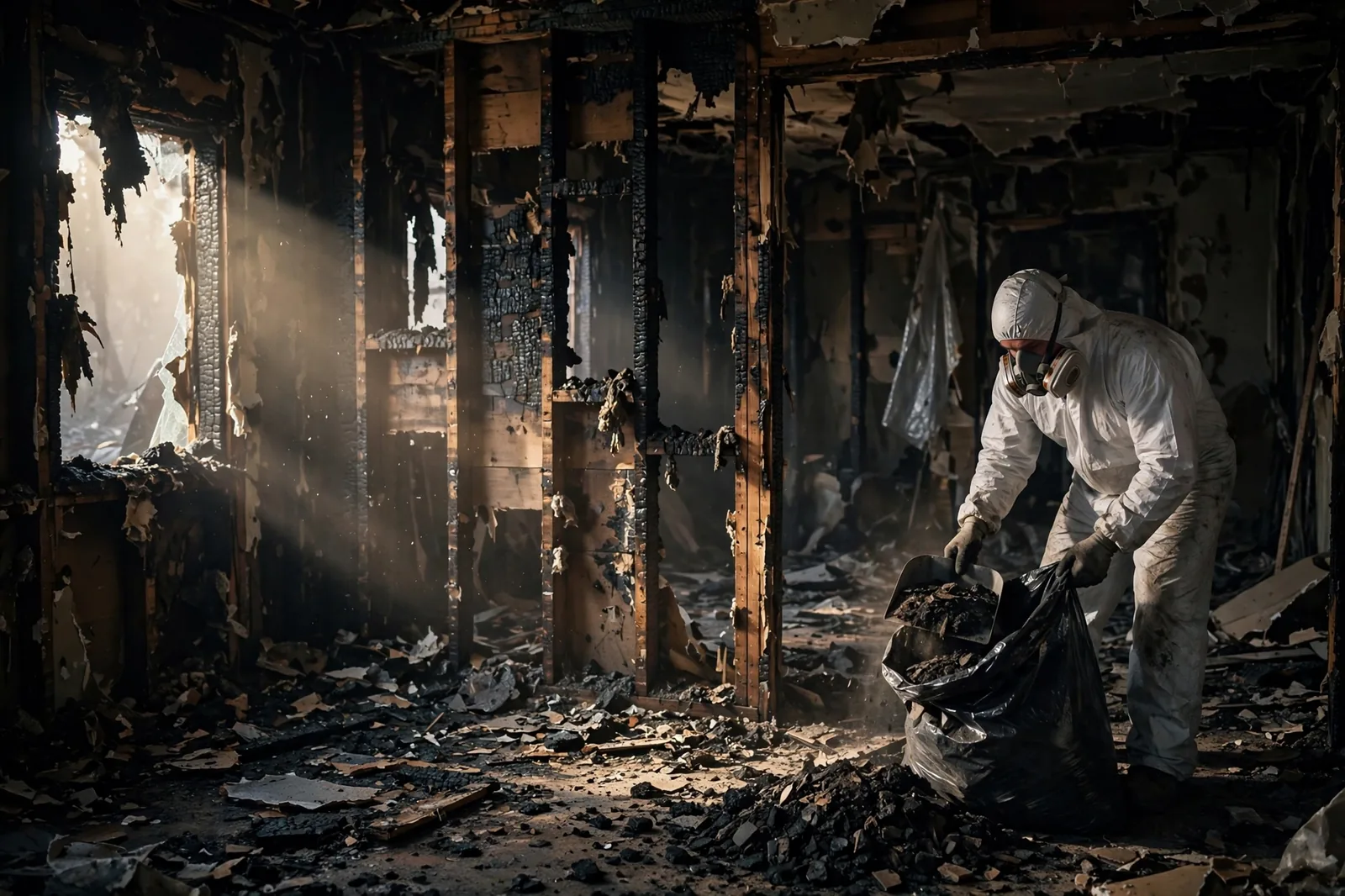
Complete fire restoration: debris removal, structural cleaning, repairs, and rebuild coordination.
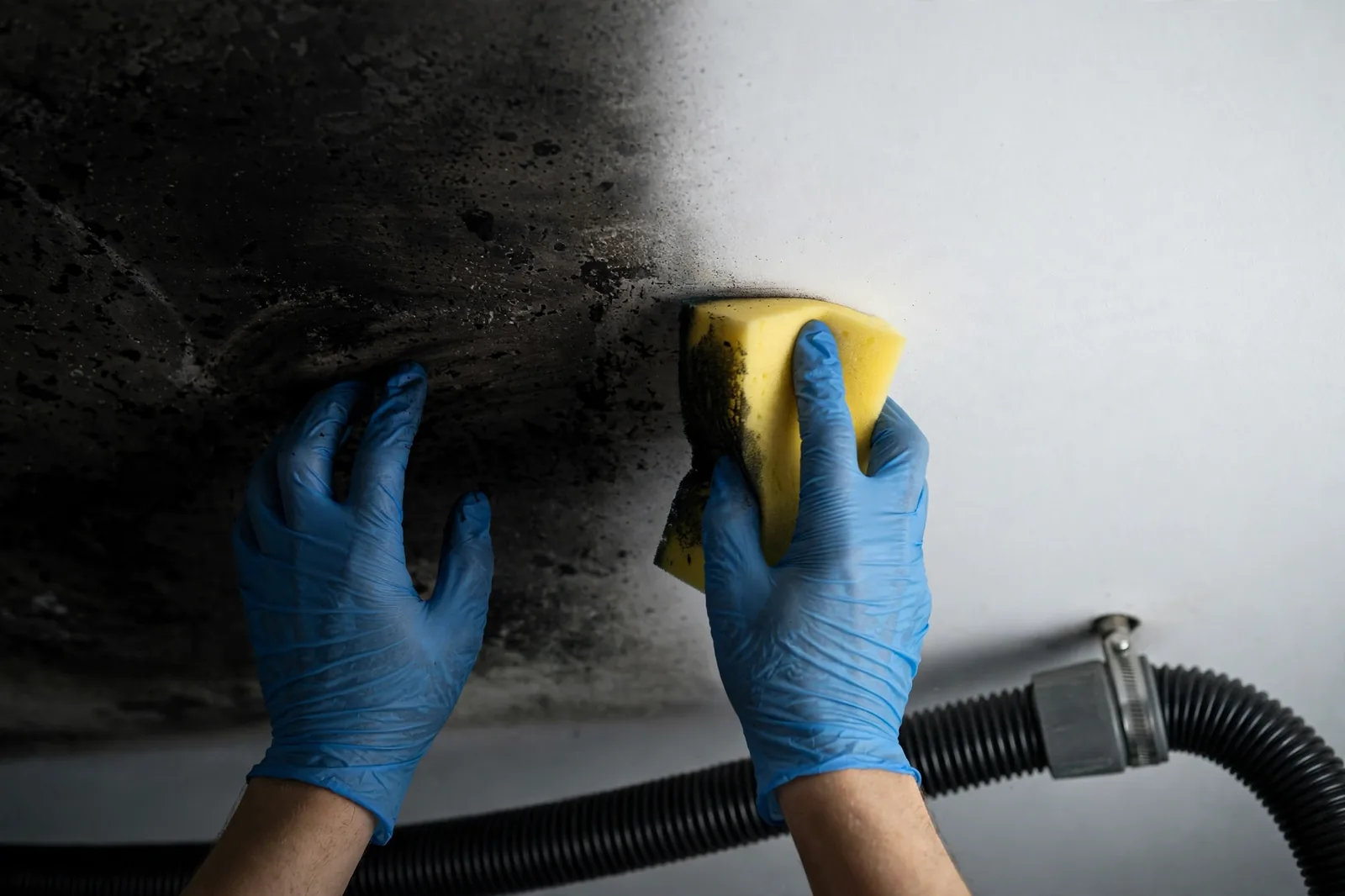
Explore Fire Damage RemovalNot all soot is the same, and that's exactly where DIY cleanup goes wrong. A fast-burning kitchen fire leaves dry, powdery soot that lifts with dry methods. A smoldering fire, or burning plastics and synthetics, leaves wet, oily soot that smears the moment it's touched. Protein fires from cooking leave a nearly invisible but greasy residue with a brutal odor. Each type demands a different approach, and using the wrong one drives contamination deeper and makes it permanent.
That's why our soot cleanup, usually part of a full fire damage restoration, always starts with identification, not wiping. We determine what burned, how the smoke traveled, including through your HVAC, and which surfaces are salvageable, then clean with HEPA vacuuming, dry sponging, wet methods, soda blasting, or ultrasonic contents cleaning as each situation requires. We follow IICRC S700 fire and smoke restoration principles, and we document everything for your insurance claim.
Every fire writes its own residue fingerprint. Dry soot from a fast-burning fire is powdery and lifts with dry cleaning sponges and HEPA vacuums, but hit it with water and it turns into an instant stain. Wet or oily soot from smoldering fires is sticky and hydrophobic; it needs wet methods and specialty cleaning agents, and dry wiping just smears it across the wall. Protein-fire residue from a kitchen fire is nearly invisible yet greasy, with an odor that survives most cleaning, it takes repeated, methodical passes. Misidentify the residue and you don't just fail to clean it: you set it permanently. Our first job on any cleanup is diagnosis, surface by surface.
Real soot cleanup is a sequence, not a scrub. We start by containing the work area and running HEPA air scrubbers so loose particulate doesn't spread through the house while we work. Loose soot comes off first with HEPA vacuuming, never a dry cloth, which grinds it in. Then each surface gets the method its residue demands: dry sponging for powdery soot, controlled wet cleaning for oily and protein residues, specialty techniques like soda blasting for structural wood. Salvageable contents may be cleaned on-site or packed out for ultrasonic cleaning. Hard surfaces get verified under good light, and we don't call a room done until soot and odor are both gone.
Here's the part most cleanups miss: if your air handler or returns were running during or after the fire, smoke was pulled straight into the ductwork, coating the air handler, coils, and ducts with soot and odor residue. You can clean every wall in the house and still smell smoke every time the system cycles, because the system itself is contaminated. We inspect the HVAC as part of every soot assessment. When ducts are affected, duct cleaning and component cleaning go into the scope alongside walls, ceilings, and contents, so the system stops redistributing what we just removed.
Honest answer: not everything survives a fire. Sealed, non-porous surfaces, tile, sealed stone, metal, finished wood, usually clean up well. Porous materials that absorbed soot and odor deep inside, unsealed wood, insulation, some fabrics and mattresses, often can't be cleaned to a standard we'd stand behind, and replacing them is cheaper than repeated failed cleaning. During the assessment we test-clean representative areas and show you what's salvageable. We'd rather tell you upfront that a room's insulation needs replacement than bill you for three cleanings that don't take. That's also the honest version of what your adjuster wants to hear.
How we handle smoke & soot cleanup in Sahuarita, AZ, documented at every step.
Identify the soot type and the smoke's path
We determine what burned and which soot types are present, map smoke travel, including the HVAC, and test-clean representative areas. You get an honest verdict: what cleans up, what must be replaced, and a written scope before any work starts.
Contain the area and protect the rest of the home
We seal off the work area, shut down affected HVAC zones, and run HEPA air scrubbers so loose particulate doesn't spread through the house while we work. Containment first, cleaning second.
Clean each surface with the matched method
Each surface gets the method its residue demands: HEPA vacuuming, dry sponging, wet cleaning, soda blasting for structural wood, or pack-out ultrasonic cleaning for salvageable contents. Everything follows IICRC S700 principles.
Verify, deodorize, and walk the finished work
We verify under good light and room by room, soot, residue, and [odor](/services/smoke-odor-removal/). Contents get packed back, the HVAC is recommissioned, and you walk the finished work with us before sign-off. If something isn't right, we make it right.
One local crew for the full chain, from emergency board-up on night one to the final walkthrough.
Complete fire restoration: debris removal, structural cleaning, repairs, and rebuild coordination.
Explore Fire Damage Removal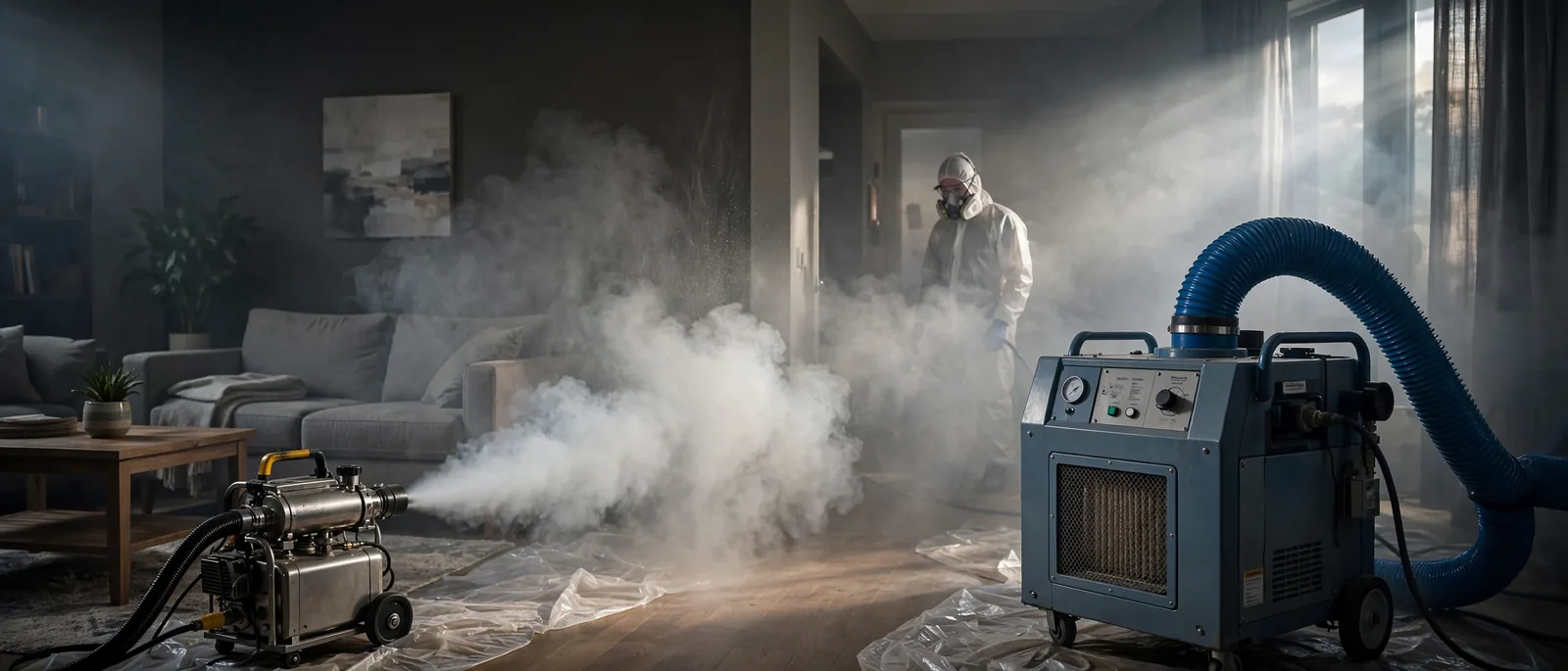
Odor neutralized at the source, thermal fogging, hydroxyl, and deep cleaning.
Explore Smoke Odor Removal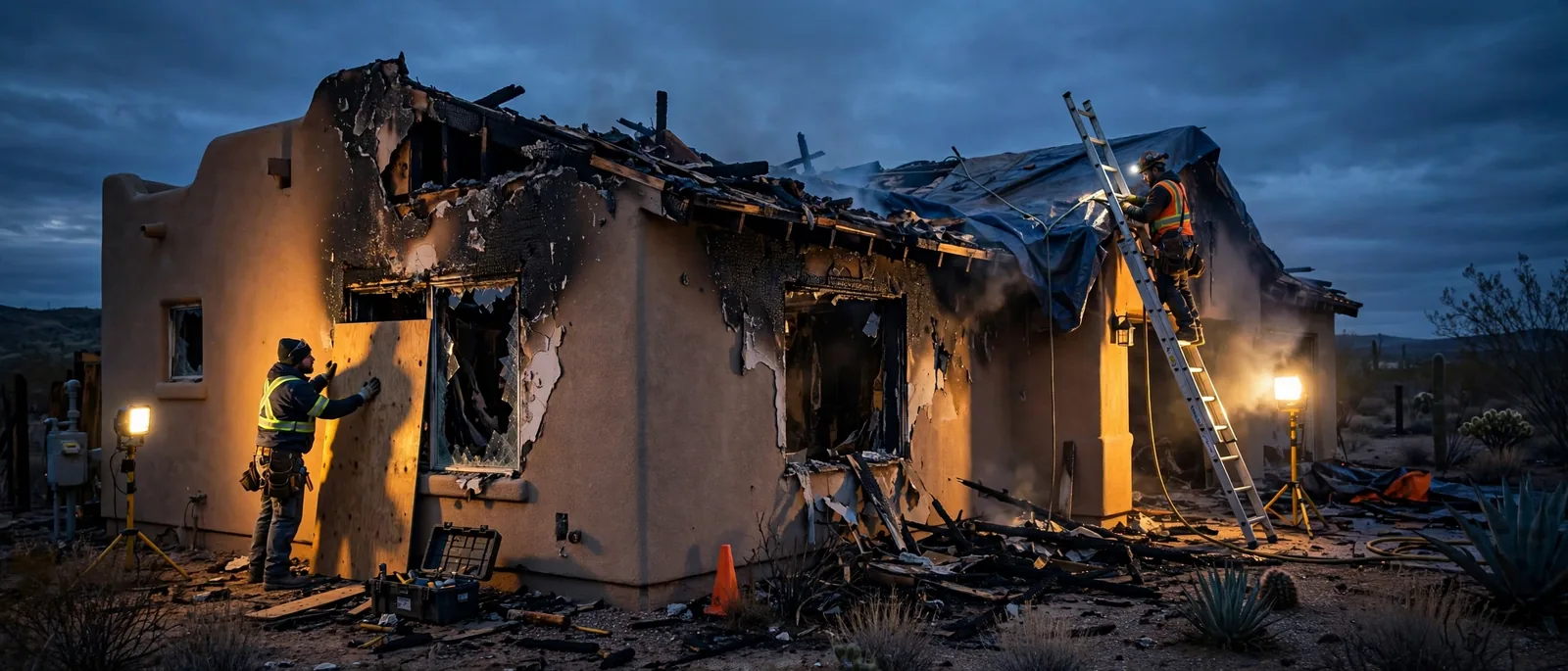
Fast securing of windows, doors, and damaged roofs after fire or storm.
Explore Emergency Board-Up & Tarping
How board-up pricing works in Sahuarita, AZ: what drives the cost and what's included.
Explore Emergency Board-Up Cost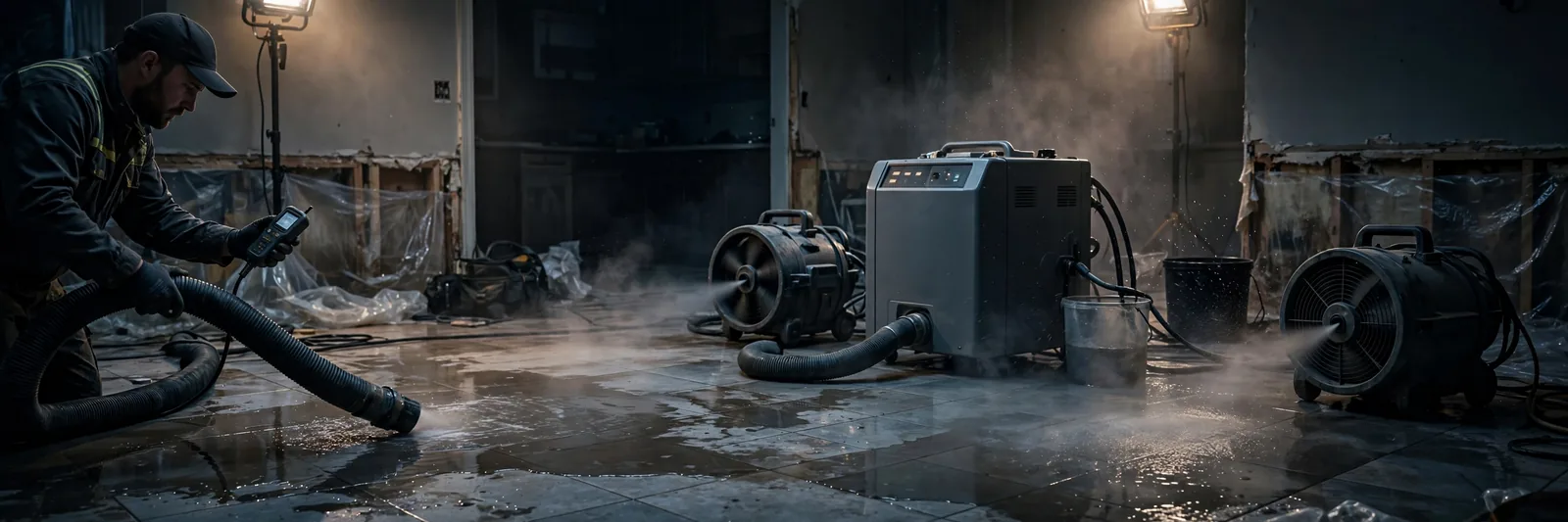
Extraction, structural drying, and moisture control after firefighting or monsoon water.
Explore Water Damage Restoration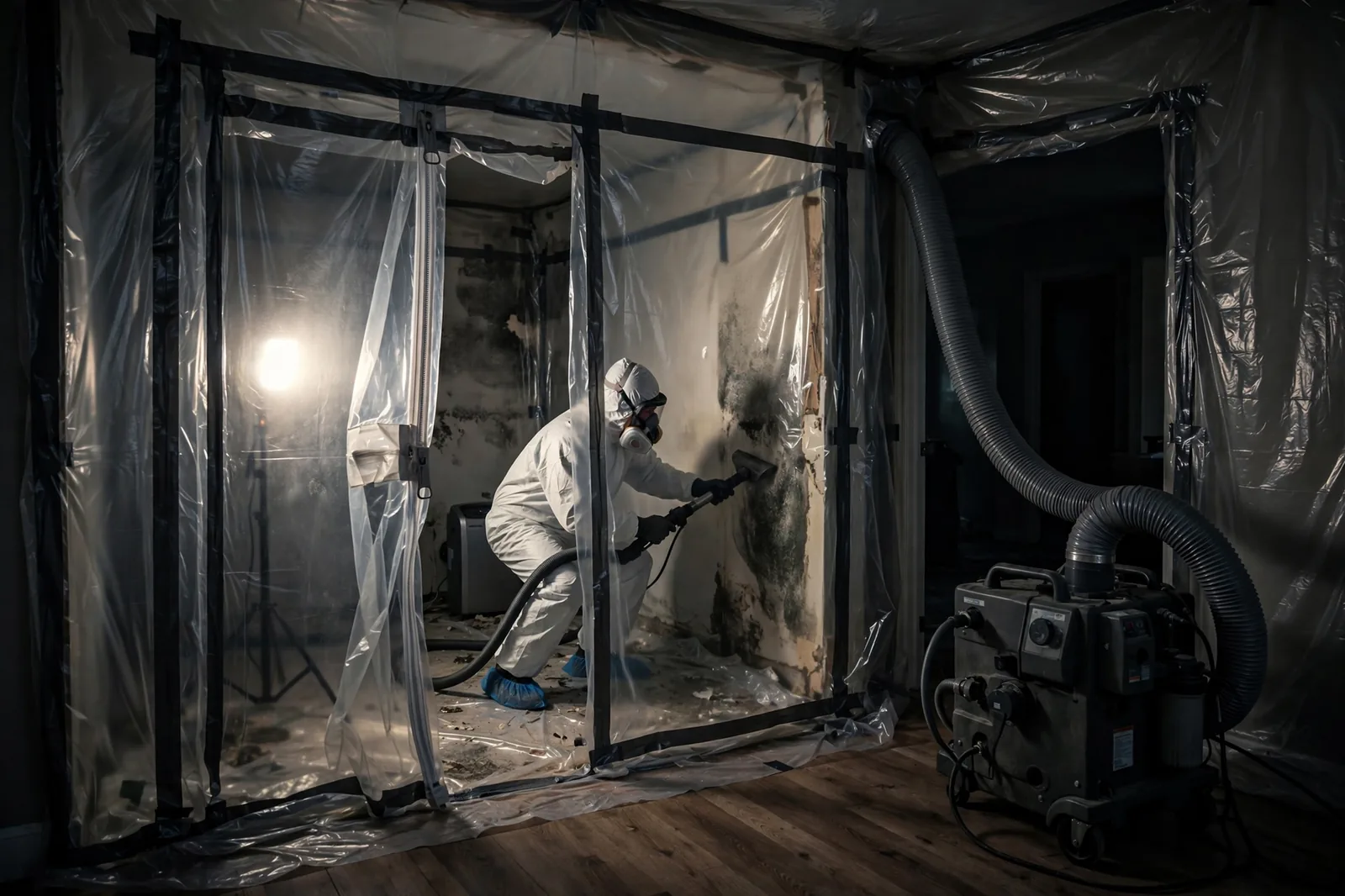
Containment and proper removal of mold after moisture intrusion in Arizona heat.
Explore Mold RemediationImproper cleaning sets stains deeper and costs more to fix. Call +1 844-969-2789 any time, we'll identify the soot type and clean it the right way.
24/7 emergency line, we answer around the clock.