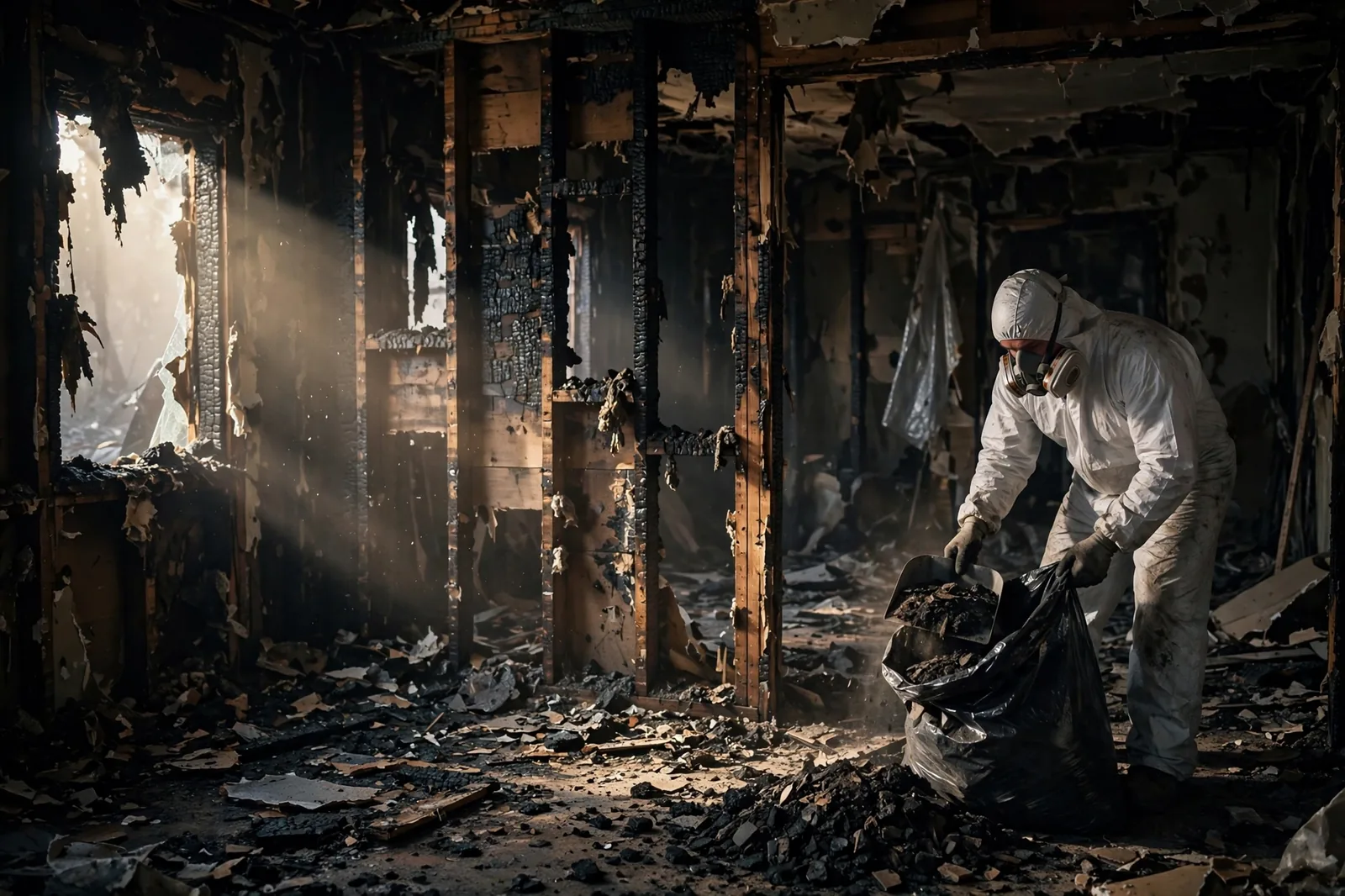
Fire Damage Removal
Complete fire restoration: debris removal, structural cleaning, repairs, and rebuild coordination.
Explore Fire Damage RemovalArizona's dry reputation makes mold feel like someone else's problem, until water shows up. And in Sahuarita, water shows up regularly: firefighting water soaking a home for weeks during restoration, monsoon roof leaks from mid-June through September, burst pipes, failed water heaters. Add our extreme heat, and the timeline compresses brutally: mold can begin colonizing wet materials within 24-48 hours of water intrusion. By the time you see it on a surface, it's usually been growing behind that surface for a while.
We do mold remediation the only way that actually works: find and eliminate the moisture source, contain the affected area under negative air so spores don't spread, physically remove contaminated porous materials, HEPA-clean what can be saved, and verify dryness with moisture meters before any rebuild. The most common mistake, bleaching the surface and calling it done, kills what's visible and leaves the roots, the moisture, and the problem intact. Most of our mold jobs start as water damage that sat too long; the honest fix addresses both.
Mold needs three things: moisture, food, and warmth. Sahuarita supplies all three the moment water intrudes. Drywall, wood framing, and dust are an endless food source; our extreme heat provides the warmth; and water arrives through firefighting, monsoon leaks, burst pipes, and appliance failures. The result is a timeline most homeowners don't expect: colonization can begin within 24-48 hours of water intrusion in this climate, far faster than in cooler regions. Most of our mold calls are post-fire, homes stay wet for weeks during restoration, or post-monsoon, where a roof leak went unnoticed in an attic or wall cavity.
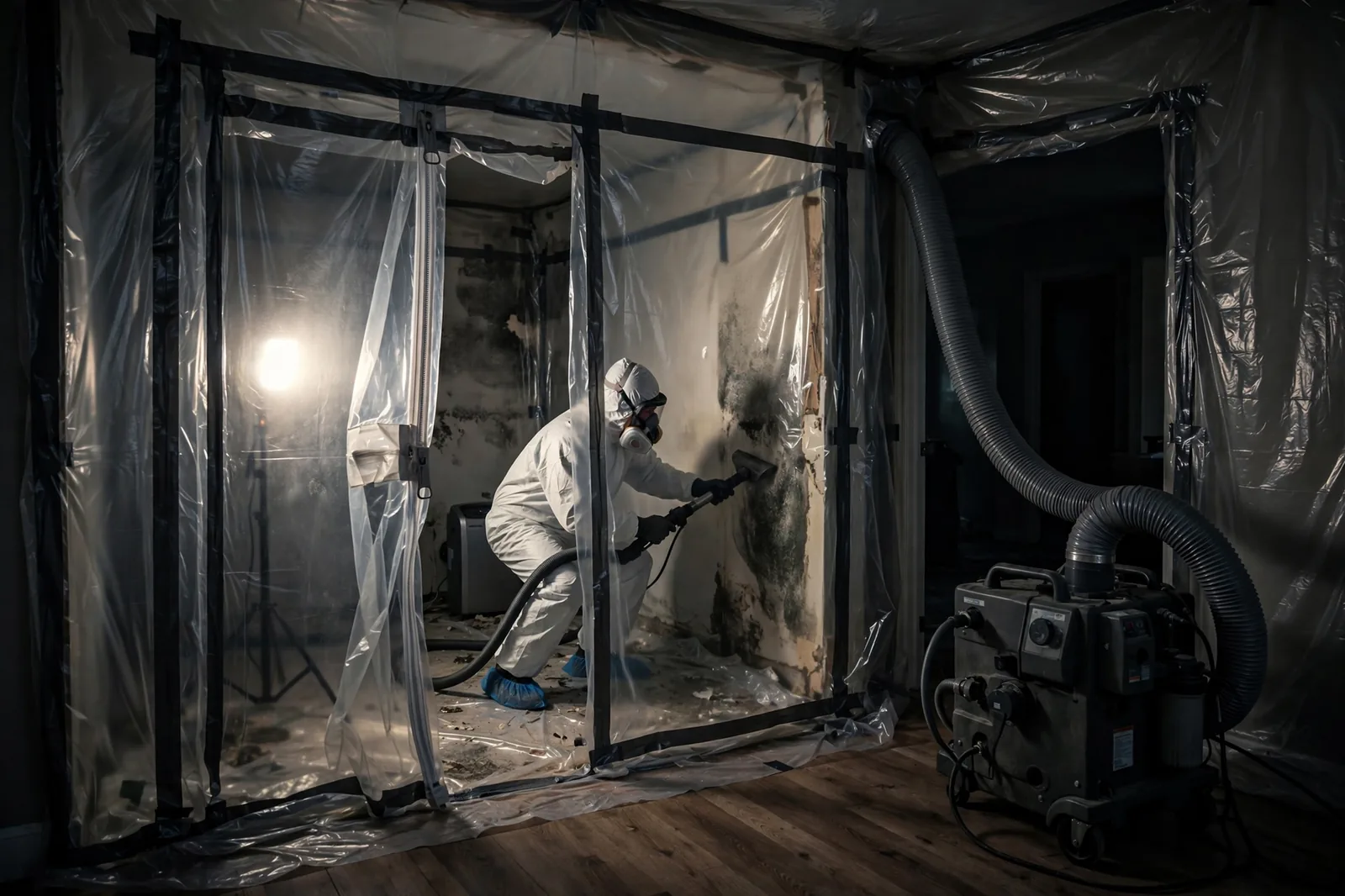
Mold remediation without containment is just mold redistribution. The moment you disturb a colony, cutting drywall, pulling carpet, even aggressive scrubbing, it releases spores and fragments into the air, and without barriers and negative pressure those spores settle throughout the home and inside the HVAC system. We seal the work area with poly sheeting, run negative air machines so air flows into the zone (never out), filter the air with HEPA air scrubbers during the work, and isolate or shut down the affected HVAC zones. Contents in the zone are protected or packed out. Skipping containment isn't remediation; it's redistribution.
Here's the uncomfortable truth the spray-bottle industry won't tell you: mold in porous materials can't be cleaned back to safe, it has to come out. Drywall, insulation, carpet pad, and ceiling tiles that are colonized get removed and bagged under containment, not scrubbed. Structural wood and other solid materials that can be saved get HEPA vacuuming and damp-wiping, with antimicrobial treatment as a supplement, never the whole solution. Fogging alone, without removal, is theater, the colony keeps growing inside the wall. We show you exactly what comes out and what stays, and we don't rebuild over anything that still reads wet.
Post-fire mold is almost a package deal with fire restoration. Firefighting water soaks the structure, and while the visible fire damage gets the attention, wet materials sit for days or weeks during assessment, insurance processing, and the early restoration phases. We check for mold as a standard part of fire damage restoration, moisture mapping that finds wet framing also finds where mold is starting, and we remediate before rebuild, not after the new drywall is up. Post-monsoon mold is sneakier: a roof leak during a July storm goes unnoticed in an attic or behind a wall, and by September there's a colony. Both start the same way: find the moisture, fix the source.
Callers often ask whether they need testing, remediation, or both. Testing answers what and where: it identifies whether growth is mold, what type it is, and how far it has spread. Remediation is the fix: containment, removal of affected materials, cleaning, drying, and verification that the moisture source is gone.
Most jobs do not need lab testing to start, because visible growth plus moisture readings already define the scope. Testing helps when growth is hidden, when a health concern needs identification, or when a clearance check is needed after remediation. If your situation calls for lab testing or an independent clearance check, we will explain your options plainly before you spend anything on it.
An inspection is a diagnosis, not a sales visit. We find the moisture source first, because mold always returns when moisture stays.
How we handle mold remediation in Sahuarita, AZ, documented at every step.
Find the moisture source and assess
We inspect with moisture meters and infrared cameras, find where water came from and where it traveled, and determine the extent of growth. No remediation starts until the moisture source is identified, fixing the growth without fixing the leak guarantees a repeat.
Contain under negative air
The work area is sealed with poly barriers, placed under negative air, and fitted with HEPA air scrubbers. Affected HVAC zones are isolated. Nothing leaves the zone unbagged, and spores don't get a free ride through the rest of your home.
Remove contaminated materials, clean the rest
Colonized porous materials, drywall, insulation, carpet pad, are removed and bagged under containment. Salvageable structure gets HEPA vacuuming and damp-wiping, with antimicrobial treatment where warranted. Removal first, treatment as backup.
Verify dry, document, and clear for rebuild
We verify dryness with moisture meters before any rebuild, document the work with photos for your insurance file, and confirm the source is fixed. Then repairs can proceed on a dry, verified-clean structure, and stay that way.
One local crew for the full chain, from emergency board-up on night one to the final walkthrough.
Complete fire restoration: debris removal, structural cleaning, repairs, and rebuild coordination.
Explore Fire Damage Removal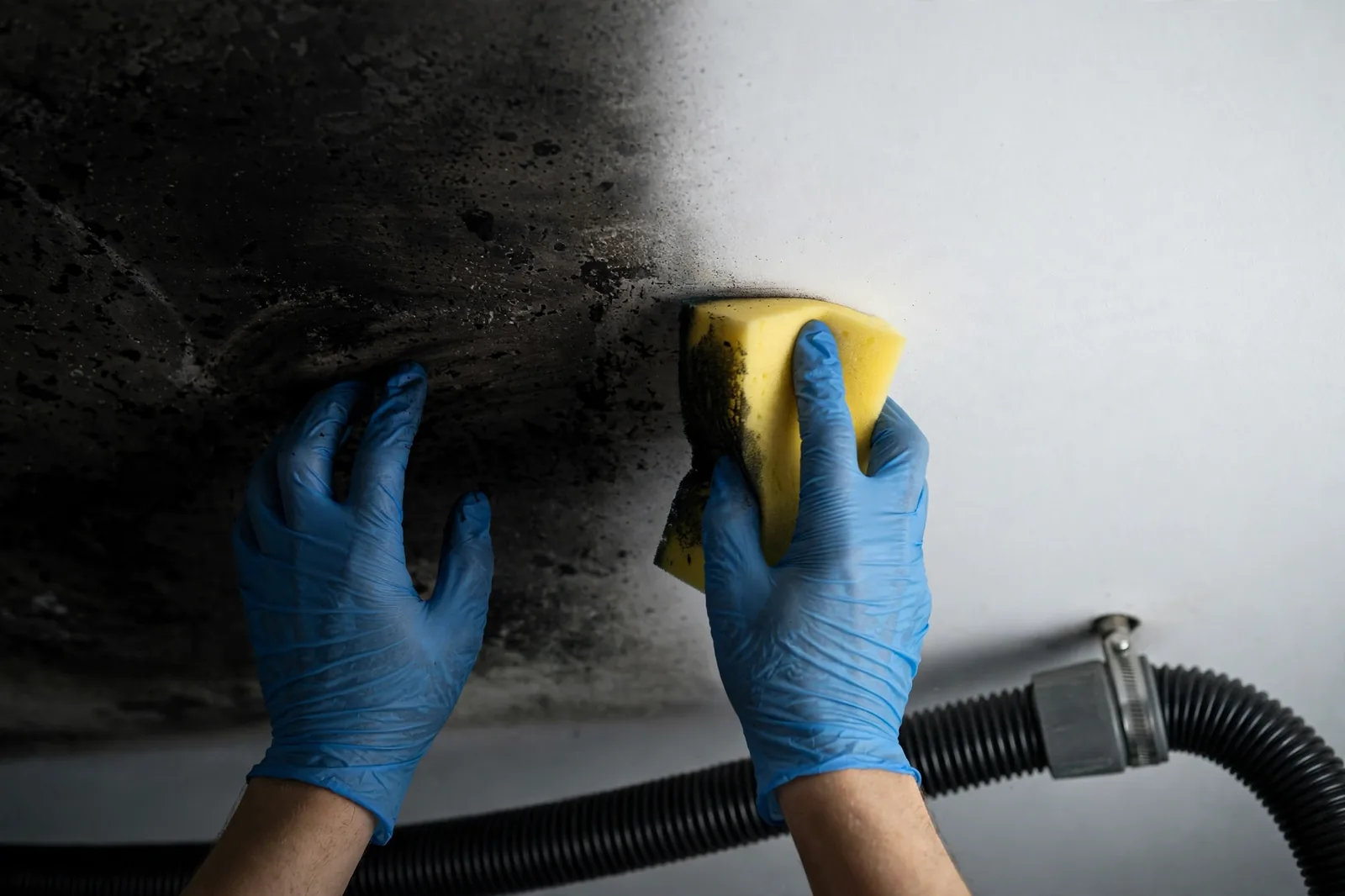
Corrosive soot removal from walls, ceilings, contents, and HVAC-affected areas.
Explore Smoke & Soot Cleanup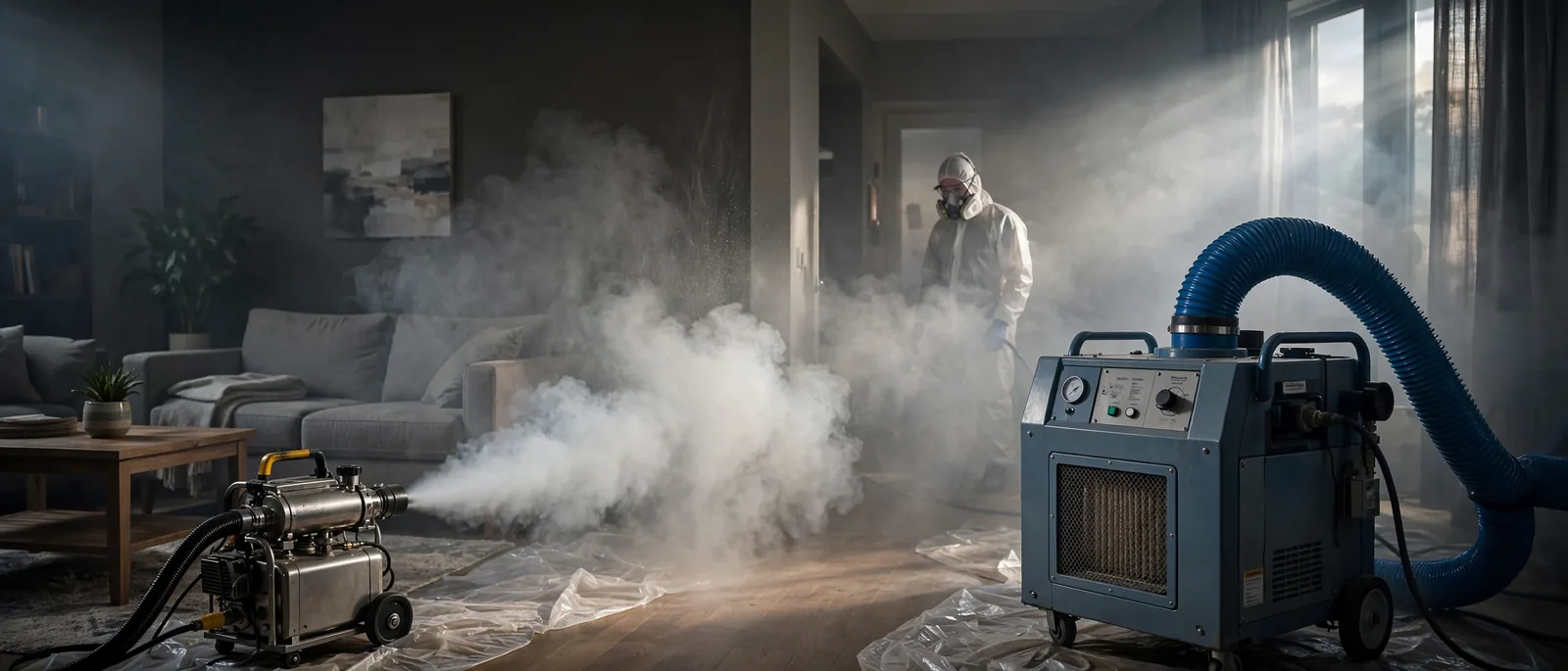
Odor neutralized at the source, thermal fogging, hydroxyl, and deep cleaning.
Explore Smoke Odor Removal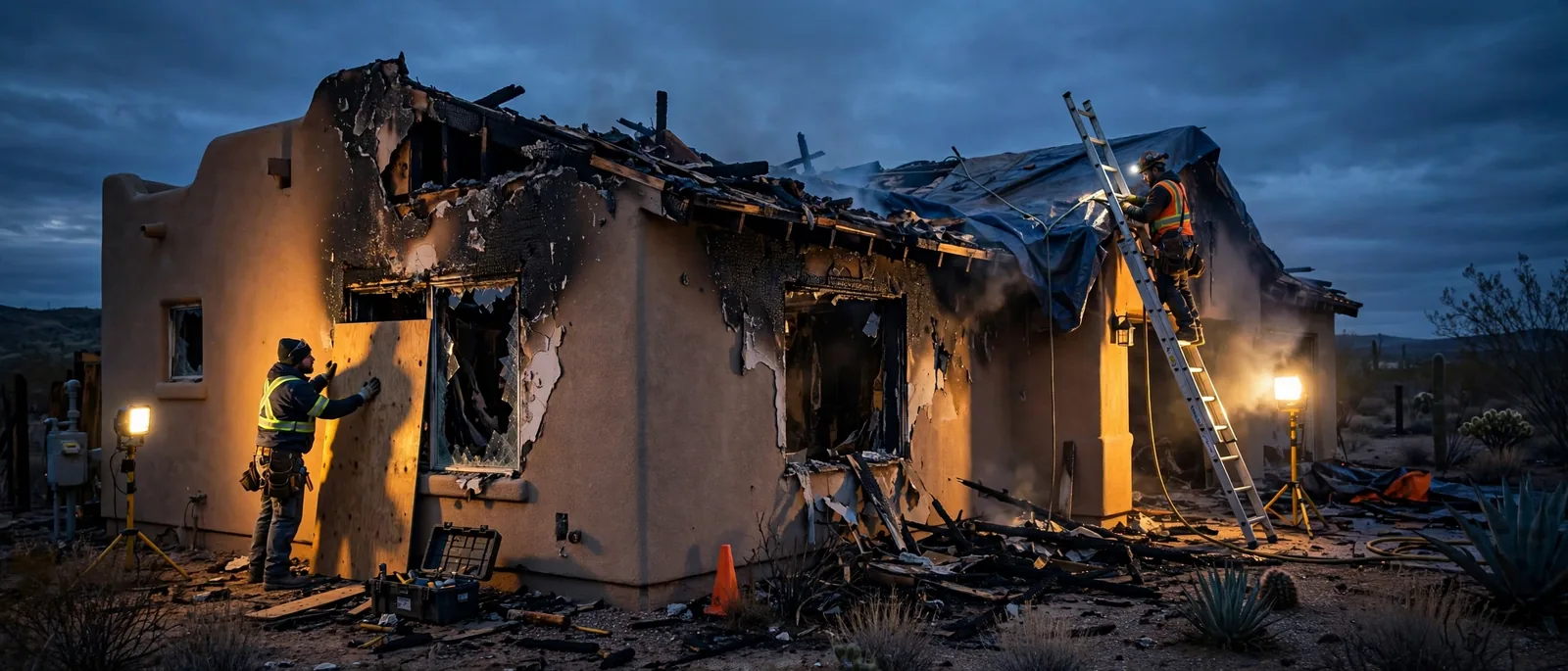
Fast securing of windows, doors, and damaged roofs after fire or storm.
Explore Emergency Board-Up & Tarping
How board-up pricing works in Sahuarita, AZ: what drives the cost and what's included.
Explore Emergency Board-Up Cost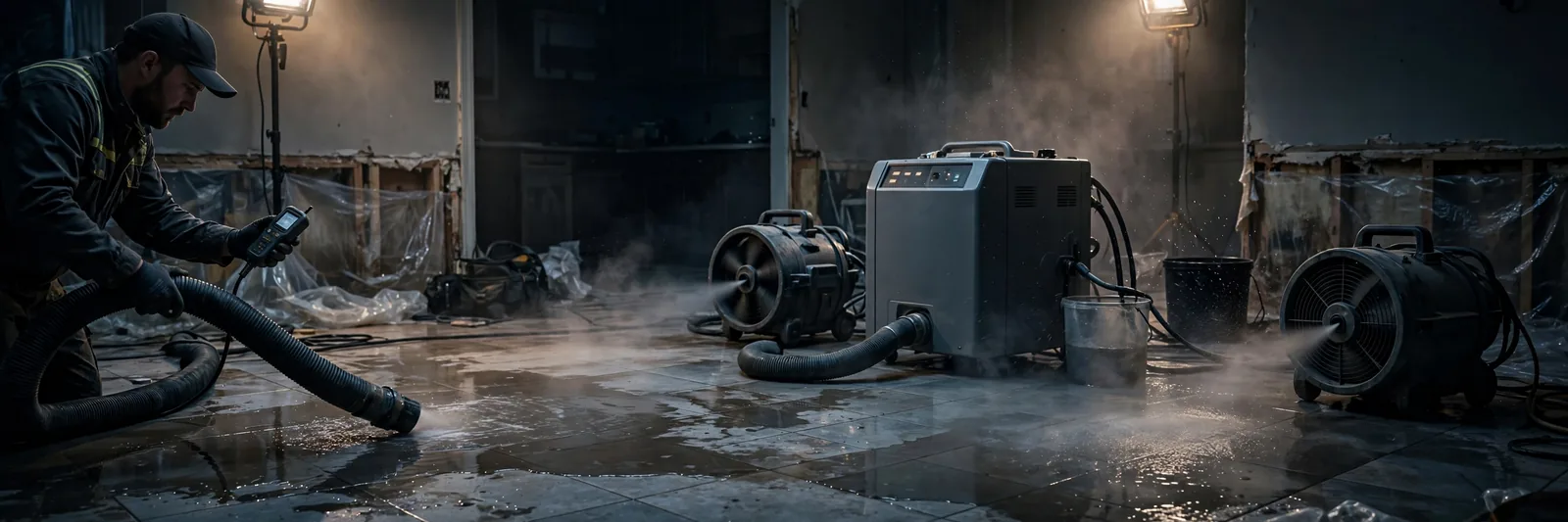
Extraction, structural drying, and moisture control after firefighting or monsoon water.
Explore Water Damage RestorationBleach and paint-over make it worse. Call +1 844-969-2789 and we'll contain it, remove it, and fix the moisture that caused it.
24/7 emergency line, we answer around the clock.